Twelve students across nine campuses to champion the state’s agbioscience story through the Field Atlas career exploration platform and experiential learning programs
AgriNovus Indiana, an initiative focused on growing the agbioscience economy, announced today that 12 students from colleges and universities across Indiana will serve as Field Atlas Ambassadors for the 2026-2027 academic year, helping connect their peers to professional development, career exploration and opportunities in agbioscience.
Field Atlas Ambassadors are selected college students who serve as the on-campus champion for the state’s agbioscience sector. From exploring career paths and fields of study online to engaging with students on the impact of innovation across the sector, Ambassadors connect students to Field Atlas and its experiential programs, including Company Tours, the Agbioscience Mentorship Program and other hands-on opportunities that bring them closer to the sector.
“Field Atlas Ambassadors play a critical role in helping students discover the breadth of opportunities in agbioscience,” said Christy Wright, president and CEO of AgriNovus. “From marketing and finance to biology, environmental science and beyond, Ambassadors are the peer engine that provides insights and real-time opportunities in an industry making meaningful impact on people and the planet.”
For the 2026-27 academic year, AgriNovus has selected these students to represent Field Atlas:
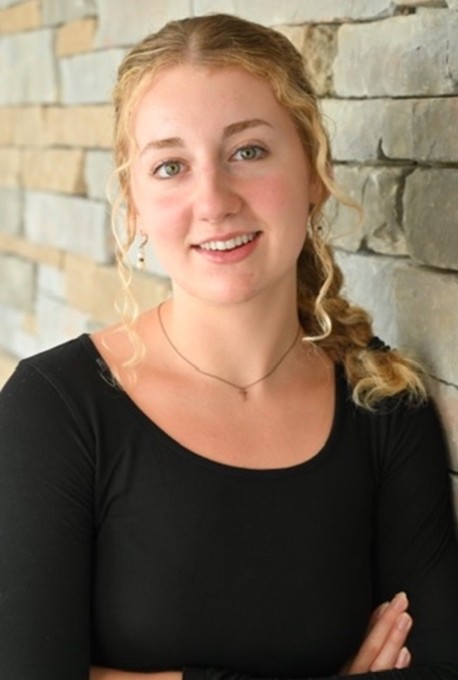
Chloe Borders – Environmental Management, Indiana University
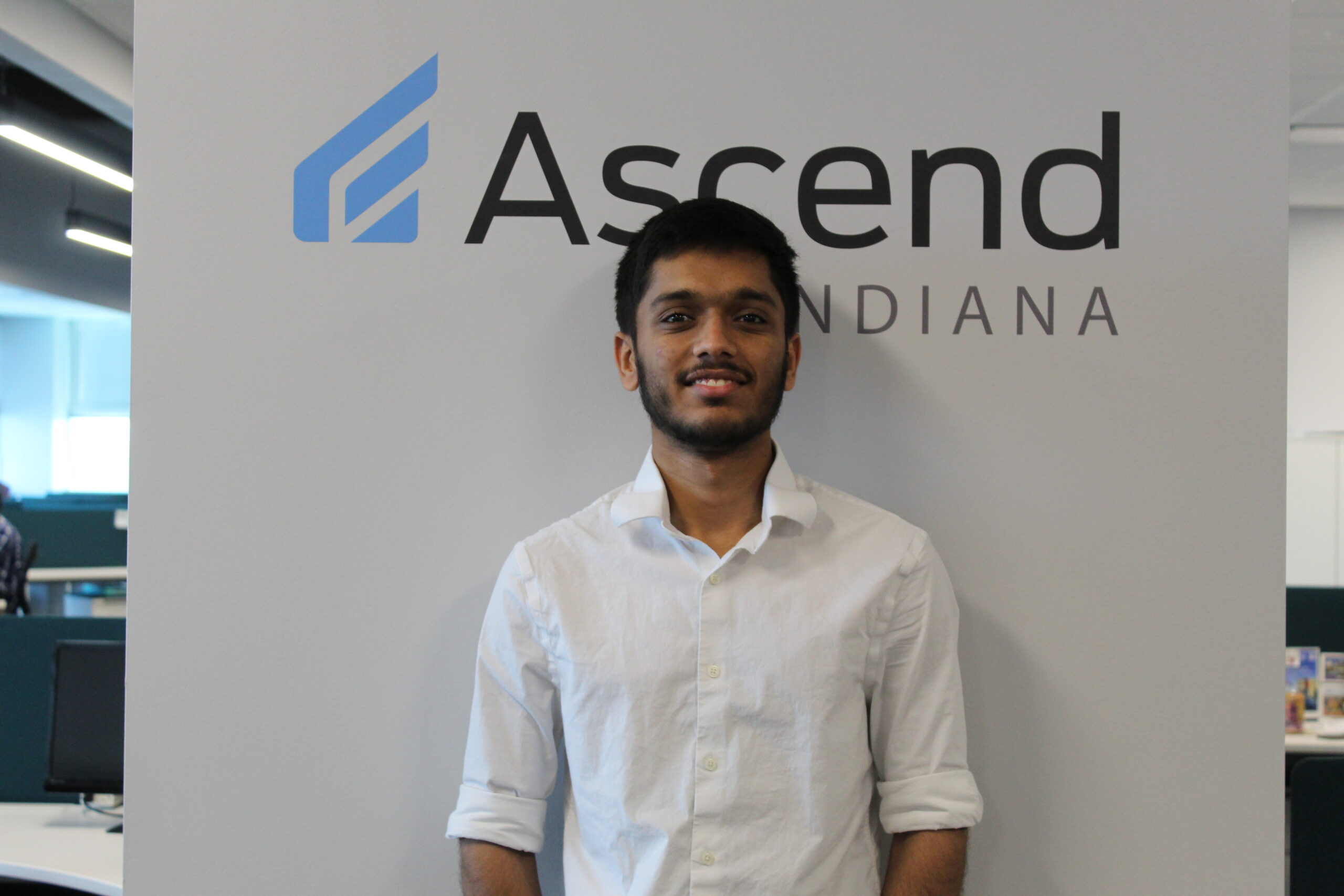
Bhuvikaa Ghai – Management and Human Organization, Indiana University
Cora Gibson – Civil Engineering and Environmental Geoscience, DePauw University
Kady Graves – Agribusiness Communications and Public Policy, Huntington University
Bridget Hollingsworth – Engineering Design, Rose-Hulman Institute of Technology
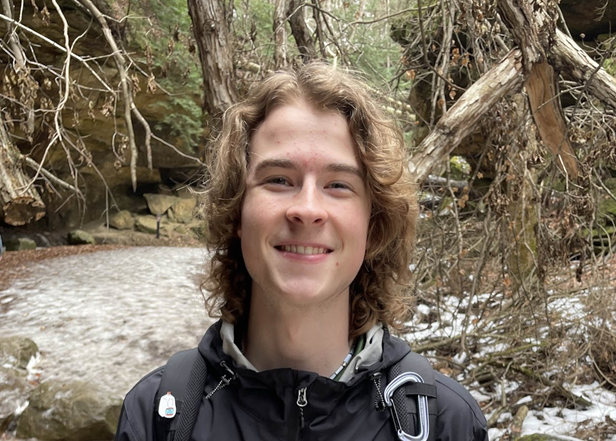
Caleb Kauffman – Finance, Ball State University
Chintu Mane – Biology, Purdue University
Navnoor Mutti – Biomedical Health Sciences, Purdue University
Olivia Parmer – Biology, Marian University
Jasleen Randhawa – Biology, Indiana University Indianapolis
Evan Trent – Agricultural Business Management, Purdue University
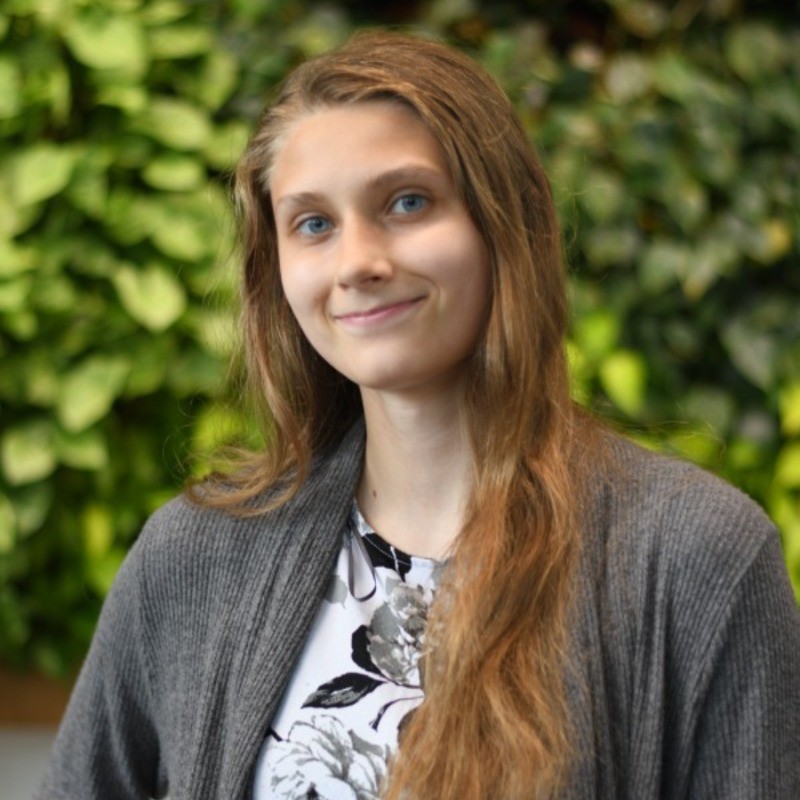
Camille Zoe – Psychology, Butler University
Since its inception in 2020, Field Atlas has served as a foundational digital resource for career exploration in agbioscience, helping students understand the value chain and its components as well as the local and global impact of the sector. Supplemented by its experiential learning opportunities, Field Altas programming supports a holistic overview of the agbiosciences, addressing knowledge gaps that often go unrecognized by students interested in one facet of the ecosystem.
Field Atlas Ambassadors are led by AgriNovus’ Career Success Manager Karis Witte. More information about the program, including how to connect with Witte, is available here.
This article was originally published by Field Atlas. Click here to read the original article.
AgriNovus Indiana launched its second year of the Field Atlas Agbioscience Mentorship Program (AMP) in February – and the desire students have to make a difference in the world through careers in agbioscience, mixed with the dedication industry leaders have to supporting our next generation workforce through this program, has been invaluable.
AMP is a guided yearlong mentorship program that connects late college students and early professionals to industry leaders excelling in the agbioscience field. This year, 16 students were paired with industry leaders who serve as their mentors for the duration of the program. Current mentees include juniors in college to PhD students from universities such as Purdue, Ball State, Indiana University, Butler and more. These students come from various backgrounds and areas of study, all with the hopes of developing their professional skills and ultimately learning how they can utilize those skills to create a meaningful impact in agbioscience.
The selected 2026 cohort includes students pursuing degrees in Animal Science, Biology, Chemistry, Biological Engineering, Environmental Management, and more. Many of the students in this cohort do not come from an agricultural background but have recognized the importance of agriculture and its effects on our food system through AMP and other Field Atlas programs. Through the guidance of their mentors, they have become inspired to seek new opportunities and gain insight into how their specific background and skills align with career paths in this space.
Every month, each mentor and mentee pair meet to discuss various professional development topics and how mentees can best prepare to enter the workforce. The conversations had in the first few months of the program showcase just how valuable mentorship can be (see below):
“The most helpful aspect of this session was the discussion on interpersonal communication and how it is shaped by cultural context. My mentor emphasized the importance of active listening, understanding what is considered appropriate and professional in interactions, and adapting communication styles in different professional environments… A key takeaway for me was that while many factors are external, the most important element I can control is how I communicate and present myself.” — AMP mentee
“This month I was able to understand that sometimes weaknesses are not totally weaknesses, especially if they help you actually strategically and tactically achieve goals.” — AMP Mentee
“I got more exposure to the industry, developed plans for researching the industry and got experience with imagining how my major could apply to companies.” — AMP Mentee
“The most helpful part of this session was discussing my professional goals and how my diverse background from crop science and agricultural field experience to my current PhD research in functional genomics and bioinformatics positions me as a unique candidate for roles in the agbioscience industry. My mentor provided valuable insight into how this combination of academic, field, and research experience can be an advantage in the industry. He also offered to help connect me with professionals in the field and create networking opportunities that could further support my career development.” — AMP Mentee
“I found it especially helpful that my mentor shared a wide range of resources to support my research project. Learning more about current trends and the available sources he can offer has been very valuable.” — AMP Mentee
AMP would not be possible without industry leaders dedicated to serving and guiding our next generation workforce. It is inspiring for young professionals to have an established leader to look up to and learn from. We are thankful for every single mentor who has contributed their time and knowledge to the mentees and the Agbioscience Mentorship Program. It is evident how much of an impact they are creating for these students as they embark on their professional journeys.
Are you interested in joining the 2027 Agbioscience Mentorship Program as a mentor or mentee? Reach out to Career Success Manager, Karis Witte ([email protected]).
We’ve all heard those stories about engineers who started out as little junior engineers. When they were kids, they were always building things with Legos or tinkering with machines.
Braxton Bragg says that wasn’t him.
The future Product Innovation Engineer with Evansville’s Berry Global was more into sports.
As he got older, though, the foundation for a career in engineering took shape. At New Albany High School, along with participating in athletics, Braxton found that chemistry, physics and math interested him, and that he wasn’t half bad at those subjects. His junior and senior years, he took a job working on a farm and discovered that the mechanics of the tractors and other equipment fascinated him. As these factors pulled together, he recognized where his path was leading. When he headed off to college at the University of Southern Indiana, he majored in engineering.
And when an opportunity for an internship at Berry Global came up during his sophomore year, Braxton jumped on it. He was familiar with the plastic container and product company, but didn’t know much about its operations. What he learned hooked him in a hurry.
“I was blown away by how much goes into making a plastic drinking cup or plastic lid or the container that holds your products in the grocery,” Braxton says. “The kind of technical crew it takes to pull off efficient production of something like that, it took me for a shock.”
Hired on as a full-time employee in 2019 and promoted to his current position in 2020, Braxton says he enjoys being a part of the company’s global headquarters because that gives him a front-row seat to everything from product ideation to seeing items he worked on come off the production line. He currently has five or six projects on which he serves as project manager, he says, all in different stages. He enjoys the variety of the work and the fact that every day can be a little different.
He also enjoys the constant drive to make better products more efficiently. “Coming up with a better way to make a better widget that nobody else can make, that’s always the process,” Braxton says. “Innovation as a whole is consistent on the product and process side.”
And he’s delighted to have landed a job with all those features just a short drive from his hometown. Married to his high school sweetheart, Braxton enjoys staying in touch with friends and family and taking advantage of Southern Indiana’s hunting and fishing options. And while engineering ultimately took up a larger part of his life than the sports that he focused on as a kid, he hasn’t given up athletics completely. He’s taken up running, and he’s preparing to run his second marathon.
This article was originally published by Field Atlas. Click here to read the original article.
Mallika Swaminathan, an IU Indianapolis student pursuing her master’s degree in analytical chemistry, has been taking full advantage of student opportunities and experiences in agbioscience as she rounds out the last semester of her MS program.
Until her experience at the Field Atlas Agbioscience Company Tours in May of 2025, Mallika hadn’t been exposed to the agbioscience industry or the role that chemistry plays in this field. After meeting with industry leaders during the networking portion of the program and then visiting Beck’s Hybrids and Eurofins, Mallika had a whole new understanding of agbioscience and a peaked interest in pursuing a career in the industry.
With an interest and motivation to learn more about the role chemistry plays in agriculture, Mallika continued seeking opportunities to learn more about the field and meet with professionals in the space. This ultimately led her to attending Grow Your Future Day at Corteva Agriscience – a dynamic, full-day experience designed to inspire and connect the next generation of agricultural leaders.
Mallika recently shared more about her experience at Corteva’s Grow Your Future Day:
“I learned so much about Corteva and the incredible role agricultural industries play today. The way they explained the company’s mission really stood out — with the population increasing day by day and land space reducing, it’s so important for AgBioScience companies like Corteva to address these global challenges effectively. And they’re definitely doing so, moving forward strongly by fostering new talent through events like Grow Your Future Day.
The event itself was exceptional — from the personalized resume and mock interview rounds to the opportunity to practice in a real corporate setting. No matter how much we prepare for interviews, the actual environment often brings a different kind of nervousness, so getting to experience that firsthand was invaluable.
I also had the chance to connect with professionals from my area of interest — the analytical labs — and realized how crucial networking truly is. I learned about various contract-based opportunities that are perfect for fresh graduates transitioning from school to industry, and which are not always listed publicly. Hearing this directly from an analytical scientist was a great insight and something that definitely motivates me further.
Overall, the hospitality, warm welcome, and inspiring closing remarks made the day memorable. The scale and diversity of the labs — from biotechnology and chemistry to plant pathology — were truly beyond imagination. It was amazing to see how professionals from so many disciplines come together to drive the agbiosciences industry forward.”
We love seeing students and young professionals take advantage of opportunities to engage with and learn more about the agbioscience industry. Join the Field Atlas mailing list to learn more about professional development opportunities for students interested in this industry!
Field Atlas Company Tours are a great way to explore the leading agbioscience companies throughout our state. If you are a college student interested in attending an upcoming company tour, click here to learn more and apply!
Julia Hatfield didn’t always know she’d become an engineer designing custom implants that change lives. What she did know was that she loved problem-solving, math, and science—and that curiosity led her to a career in one of Indiana’s fastest-growing advanced industries.
In this conversation, Julia shares how she found her path, why Indiana is the ideal place to build a future, and offers advice for Gen Z students starting to think about their own careers.
Julia, take us back. How did your interest in life sciences and engineering begin?
In high school, I took an anatomy class and discovered how much I loved learning about the human body. At the same time, I already knew I enjoyed math and science, and I’ve always loved problem-solving. Putting all of that together, biomedical engineering felt like the right direction; it allowed me to innovate in ways that could truly help people.
What made you choose the University of Toledo for college?
Their bioengineering program required three co-ops. That was huge for me because it gave me the chance to get into the field, not just sit in a classroom. I wanted to see how engineering worked in real life, and those internships had a significant impact on my career.
How did you first connect with Zimmer Biomet?
I actually met them at a career fair in Toledo. I ended up doing two internships with them here in Indiana—one focused on shoulder implants, and the other on research using advanced microscopes to study how materials fail. Those experiences showed me how broad and exciting this work could be.
Tell us about your current role.
I’m a development engineer on the Patient-Matched Implants team at Zimmer Biomet. That means I design implants that are custom-made for individual patients, usually for shoulders. A patient undergoes a CT scan, and we turn it into a 3D model. Then, I design an implant that fits their exact needs. It’s highly specialized, and every case is unique.
Currently, I’m working on approximately 60 different cases simultaneously, making for a fast-paced environment. However, it’s incredible to know that something I design could alleviate someone’s pain and restore their mobility.
What excites you about your work?
For me, it’s seeing the direct impact on patients. I’ve been able to attend surgeries and watch implants I designed being used. It’s surreal. And it’s not just local — some of the implants I’ve worked on have gone to patients as far away as Japan. Knowing my work reaches people all over the world is really motivating.
Looking back, did you always know you’d be on this path?
Not at all. In high school, I didn’t have a detailed plan. I just followed my interests, took advantage of opportunities like internships, and let things fall into place. That’s something I’d want Gen Z students to know: you don’t have to have it all figured out. What matters is trying things, learning what excites you, and being open to change.
What advice would you give to students exploring Indiana’s advanced industries?
Surround yourself with goal-oriented people—they’ll motivate you. Don’t be afraid of mistakes. They’re inevitable, but they help you grow. Finally, get hands-on experience through internships, co-ops, or shadowing. Even if you don’t love it, you’ll learn what direction you do want to take.
Why Indiana? What keeps you here?
Indiana is the hub for advanced industries — especially life sciences. Warsaw is the orthopedic capital of the world. For someone like me who wants to innovate, collaborate with surgeons, and make a real impact, this is the place to be.
Julia Hatfield’s story shows that pathways into Indiana’s advanced industries don’t require a perfect plan—just curiosity, persistence, and a willingness to try. Her story is also an important reminder that you can build a career that matters right here in Indiana.Explore opportunities and discover your path through See Yourself IN!
Ashley Jeffirs didn’t start college knowing exactly where she wanted to end up. But through curiosity, adaptability, and hands-on experience, she found her passion in Indiana’s advanced industries. Today, she’s a manufacturing engineer at Zimmer Biomet, working in a foundry where molten metal becomes life-saving implants.
Here’s her story in her own words.
Ashley, did you always know you wanted to be an engineer?
Not at all. In high school, I knew I loved math and science, but I wasn’t sure how that would translate into a career. I initially tried biomedical engineering, but I quickly realized the medical side wasn’t for me. That’s when I shifted to mechanical engineering—and that’s where everything clicked.
How did you connect with Zimmer Biomet?
I first learned about them through a career fair at Trine University. I ended up landing an internship in extremities manufacturing. That experience provided me with hands-on exposure to what engineering looks like in the real world, and it really helped me figure out what I wanted to do after graduation.
What do you do today?
I’m a manufacturing engineer in Zimmer Biomet’s foundry. Essentially, we create wax patterns, build ceramic molds, and then pour molten metal at approximately 3,000 degrees to produce implants. Instead of producing one part at a time, we can make 20 in a single pour. It’s fast, intense, and really rewarding to see the process from start to finish.
What is the coolest part of your job?
Honestly, I never thought I’d fall in love with the foundry. But the first time I worked with metal, I knew this was where I belonged. Now, I get to transform raw materials into implants that restore mobility and improve lives. That’s an incredible feeling.
You’ve already made some impressive contributions. Can you share one?
One of the biggest was redesigning a tool so it lasted a full year instead of just three weeks. That was huge for efficiency. I also led a scrap reduction project that saved the company about $383,000. But honestly, what excites me most isn’t just the numbers, it’s collaborating with operators on the floor.
You were recently named to the Conexus Indiana Rising 30 class. What does that recognition mean to you?
It was an incredible honor. To me, it’s not just about the award, it’s about showing what’s possible when you pursue opportunities in Indiana’s advanced industries. Being recognized alongside so many talented young professionals reminds me that young people, especially young women, have the power to shape the future of these industries. It motivates me to keep pushing, innovating, and supporting the next generation that will come after me.
You shared that you’re incredibly passionate about mentorship, specifically supporting other women and interns at Zimmer Biomet. Why is this so important to you?
Mentorship is huge. I wouldn’t be where I am today without the people who guided me, challenged me, and helped me see what I was capable of. That’s why I’m passionate about paying it forward. Advanced industries can feel intimidating, especially for women, but I want to be the kind of mentor who says, “You belong here, and your voice matters.” For me, it’s about opening doors, building confidence, and making sure the next generation of women feels supported and empowered to lead.
What advice would you give to others who are trying to figure out their futures?
Don’t stress if you don’t have it all figured out right now. I didn’t either. Be adaptable, because your path will change, and sometimes those detours lead to the best opportunities. Find balance and make space for yourself outside of school or work, because you can’t pour from an empty cup. And don’t be afraid to use your voice. Even if you’re the youngest in the room, your perspective is valuable and can spark real change.
What makes Indiana the right place to launch and grow your career?
You don’t have to leave Indiana to do meaningful work. There are opportunities here to innovate, solve real-world problems, and build careers that positively impact lives. That’s what keeps me here—and why I’m excited about the future.
Ashley Jeffirs’ journey shows Gen Z that you don’t have to have everything figured out right away. Sometimes, the right pathway reveals itself when you’re willing to try, adapt, and discover where you truly belong—and Indiana’s advanced industries are the perfect place to start. Explore opportunities and discover your path through See Yourself IN!
From Carmel High School to Purdue University to Allison Transmission, Vincent Mai’s journey shows how curiosity and initiative can lead to a thriving career in Indiana’s advanced industries.
Vincent, what first got you interested in engineering?
In high school, I wasn’t completely sure what I wanted to do. However, robotics was the turning point—it gave me the confidence to pursue a career in engineering.
What classes helped shape your career path?
Definitely the Project Lead the Way courses. Those intro engineering classes, digital electronics, and engineering principles showed me the basics. They provided me with a solid foundation for pursuing a STEM career in Indiana.
How did you land your first role with Allison Transmission?
Funny enough, Allison was a sponsor of my high school robotics team. Later, at Purdue’s Industrial Roundtable, I reconnected with them. That led to two internships—one in 2017 and one in 2018. After that second internship, I knew I wanted to be there full-time.
What do you do today as a Control Systems Engineer?
The easiest way to describe it is a software engineer with extra responsibilities. Some days I’m coding and designing; other days I’m out on test trucks or public roads testing the systems we’ve built. It’s a great mix of analysis, software development, and hands-on application.
What skills have been most valuable in your career?
Communication is huge. When I’m working with peers, they want technical detail. But leaders often just want the big picture. Knowing how to adapt your communication style is essential in advanced industries.
What lessons would you share with students or young professionals exploring STEM careers in Indiana?
I’d share three things:
Be open-minded. Don’t lock yourself into one idea too early.
Be flexible. Life will throw curveballs—be willing to adjust.
Take initiative. Speak up about your interests so people can help you grow.
Looking back, what stands out most about your journey?
That you don’t need to have it all figured out. I thought I’d go into aerospace or maybe medical technology. Instead, I found a career in advanced manufacturing and automotive right here in Indiana—and I love it.
If you love problem-solving, design, and teamwork, manufacturing and advanced industries in Indiana might be the perfect fit for you. Explore opportunities and discover your path through See Yourself IN!
This summer, six interns gained hand-on-experience across three of CICP’s initiatives; Ascend Indiana, TechPoint, and CICP itself. These opportunities offered enriching “foot in the door” opportunities for young professionals eager to explore Indiana’s advanced industries.
Among them was Kendall Troy, a second-year student at Indiana University Indianapolis, who participated in TechPoint’s Externship Program. Anastasia Cook, a soon-to-be junior at Rose-Hulman Institute of Technology, Jackson Stone, an incoming senior at Purdue University, Dev Patel, who is pursuing his Master of Science in computer science at Indiana University and Ahmet Arslan, an incoming junior at Purdue University, interned across various departments and teams with Ascend Indiana, while Lucy Furqueron, a rising junior at Texas Christian University joined the CICP communications team as an intern.
Hands-on Experience:
Lucy Furqueron, CICP
Across all departments, interns were empowered to explore, create, and contribute in significant ways to their teams. These internships are designed to help young, aspiring professionals develop useful, real-world experience, aiming to build a foundation of success and begin shaping their professional lives. Many interns reflected on how applying classroom knowledge to their position brought clarity and greater direction to potential career goals.
“I have really enjoyed immersing myself within a communications department” said Lucy Furqueron (CICP). “You learn so much from being on the ground able to see and experience the realities of what the job looks like and what you might be doing in your own career eventually.”
Ahmet Arslan, Ascend Indiana
Ahmet Arslan (Ascend Indiana), said “There was a strong sense of shared ownership, and the focus was entirely on finding solutions together. It was during this time that I truly saw Ascend’s supportive and inclusive culture in action.”
Engage with Networking Opportunities:
Kendall Troy, TechPoint
Internships also provide students with valuable networking opportunities. Events offered throughout internship programs become an opportunity to help create connections and learn more about the industry.
“A highlight of my internship has been going to all of the events TechPoint has put on and being able to take events photos for them.” said Kendall Troy (TechPoint). “TechPoint has many community events that involve networking within the Indianapolis tech community. Through these events, I’ve been given the opportunity to meet many founders, CEO’s, and employees in the Indiana tech sector and I feel as if I’ve been able to grow my community and tech network in the Indianapolis area.”
Jackson Stone, Ascend Indiana
Jackson Stone (Ascend Indiana) said “Being in product and project management requires a lot of communication between multiple verticals, which excited me because I get to meet a lot of different people and work with them to improve our ideas.”
Growing your Skillset:
Anastasia Cook, Ascend Indiana
A notable aspect of an internship with CICP and its initiatives is the ability for interns to take on their own projects and work. Interns are entrusted with tasks and projects that encourage ownership and deeper learning, skills that are essential for any industry
Anastatia Cook (Ascend Indiana) said “I’m so glad I had the opportunity to work on a wide range of projects, acting as a “Jack of all Trades”. I was involved in everything from research and competitor analysis to writing user stories and conducting QA testing.”
Dev Patel, Ascend Indiana
“A lesson I’ve learned during my internship is the power of taking ownership early and approaching challenges with a problem-solving mindset.” Said Dev Patel (Ascend Indiana). “Success in fast-paced, technical environments doesn’t come from having all the answers, it comes from being curious, collaborative, and willing to own and solve hard problems.”
These stories and CICP’s continued commitment to providing internship experiences and programs is a testament to their investment in not only the individual, but the next generation of Indiana’s workforce. Through real-world experiences and professional and personal growth these students are taking steps towards meaningful, motivated careers.
If you want more information on Indiana’s advanced industries, as well as how you can get involved with Indiana’s next generation of leaders, be sure to click the link below.
From biology major to purpose-driven professional, Lucy Wehlage recently stopped by See Yourself IN to share how she built a career she loves in Indianapolis—and what advice she has for others looking to start strong.
Q: Tell us a little about your background. What did you study, and how did you get started in your career? Lucy: I grew up in a family surrounded by healthcare, so I thought I might follow in their footsteps. I studied biology in college and loved science, especially organic chemistry and physics. I loved the mindset of solving problems and thinking critically. However, by my junior year, I realized I didn’t want to attend graduate school. I wanted to go straight into the workforce.
That’s when I discovered the Orr Fellowship, and it felt like this starry, bright opportunity—perfect for someone who’s driven but still figuring out exactly what they want to do. It provided me with a community, a career, and opportunities for continued learning, all right here in Indianapolis. That’s how I got connected to The Heritage Group.
Q: What was it about science that always drew you in? Lucy: It always felt like solving a puzzle—sometimes complicated, sometimes unclear—but there was always a solution. I’ve carried that mindset into my work today.
Q: You’ve talked about your love of science and people. How do you blend those two in your current role? Lucy: In high school and college, I threw myself into clubs and organizations where teamwork and shared purpose created powerful, lasting connections. I’ve always really valued relationships and building community. Now, I’m able to use those people skills alongside the problem-solving skills I developed through science. That combination is what makes me successful and my work so fulfilling.
Q: What do you do now at The Heritage Group? Lucy: I’m the Strategic Partnerships and Experiences Lead. That means I drive our corporate philanthropy and social impact initiatives. At The Heritage Group, we think about philanthropy as more than just writing checks—we ask how we can use our time and our talent, not just our treasure, to benefit our community.
We focus on six main areas: food security, housing, workforce development, STEM education, families, and sustainability. My role is to establish purposeful partnerships that align with these pillars and to help engage our employees in meaningful community work.
Q: Can you give an example of a project that excites you? Lucy: Absolutely—Kids Science Camp is my favorite. It’s a three-day camp for our employees’ children, where we teach hands-on science tied to our work at The Heritage Group—everything from asphalt to chemicals to environmental sustainability.
We’re not just giving our employees something valuable for their families; we’re also helping kids connect what their parents do to the real world. It’s incredible to see a child realize, “Oh! That’s what Mom or Dad was talking about.” Science becomes something tangible, exciting, and essential.
Q: What makes STEM education so important to you—and to Indiana’s future? Lucy: We’re at a moment in Indiana where hard tech is booming, and we need strong STEM education to keep that momentum. It’s not just about awareness—it’s about building a talent pipeline for Indiana’s advanced industries. The more we can expose students to what STEM looks like in real life, the stronger our workforce and economy will be.
Q: Where does your passion for STEM come from? Lucy: STEM has always been part of my family. My parents worked in healthcare, and I grew up hearing about their work at the dinner table. They also sent me to science camps when I was young, and I remember feeling that spark—that aha moment when you realize science is everywhere. It’s creative, it’s grounded, and it’s powerful. And now I get to work at a company that lives and breathes STEM every day.
Q: What advice would you give to someone just starting in their career? Lucy: Three things have made a big difference for me:
Organization – I treat it like a superpower. I make to-do lists, plan backwards from deadlines, and always come to meetings with a clear agenda. Being organized helps me balance multiple projects without feeling overwhelmed.
Communication – That means asking good questions and explaining your ideas clearly, but it also means listening. Active, empathetic listening has helped me build stronger relationships and become a better teammate.
Time Management – I’m still working on this every day. When I have a long project, like Kids Science Camp, which takes about eight months, I break it into chunks. I also use project plans to track progress, ensuring that nothing falls through the cracks.
Q: What’s one lesson that’s stuck with you? Lucy: Focus on what you can control. Early in my career, I spent a lot of energy worrying about things outside of my control—how others responded, long-term outcomes, and organizational shifts. Now I focus on my actions, my attitude, and my effort. That mindset shift made me more confident and resilient.
Q: What’s the culture like at The Heritage Group, and what’s kept you there? Lucy: I’ve been here since I joined through the Orr Fellowship, and I’ve stayed because it’s a place that bets on people. I’ve always felt trusted and supported, even when I was taking risks or learning something new. There’s a fundamental belief in personal growth and a culture of feedback that helps you get better.
Q: Final question—what would you say to someone trying to figure out where to begin? Lucy: Start with what you’re good at, what you enjoy, and where you want to make an impact. You don’t have to have it all figured out. You just need to be open, ask questions, and say yes to opportunities that stretch you. That’s how I found a career I love—and I never saw it coming.
If you have a passion for science, math, or problem-solving, Indiana’s advanced industries may have a job for you. Discover tools, stories, and opportunities to help you take the next step at See Yourself IN.
Looking for careers in Indiana’s advanced industries? Want to learn more about building your future in Indiana’s advanced industries? Explore more career stories and resources at See Yourself IN.
When Lucy started college, she was surrounded by a family of healthcare professionals and planned to follow in their footsteps. She studied biology and loved her science classes—organic chemistry, physics, and problem-solving lit her up. But as graduation drew closer, she realized she wasn’t drawn to the clinical path she always thought she’d take.
Instead, she wanted to jump right into the workforce and find a career where she could apply her skills in a meaningful way.
“I knew I loved science, the mindset of figuring out a problem and solving it. But working in a lab didn’t excite me,” she says. “I wanted to make an impact, I just didn’t know exactly where that would be.”
That decision—choosing to explore rather than follow a predetermined path—led Lucy to the Orr Fellowship, a post-grad program in Indianapolis that gives early-career professionals opportunities to work, grow, and lead within Indiana’s innovation economy.
“It gave me a career, a community, and the confidence to figure out what I wanted to be. It also connected me to The Heritage Group, and that changed everything.”
Finding the right career fit
Lucy joined The Heritage Group first as an Orr Fellow and then was hired from her fellowship to a full-time role. Based in Indianapolis, the company spans several industries—from construction to sustainability to specialty chemicals—but it was their focus on people that drew her in.
Today, Lucy serves as the Strategic Partnerships and Experiences Lead at the company’s corporate level, where she leads philanthropy and social impact efforts. She spends her days creating partnerships that align with the company’s values and investing in the communities where their employees live and work.
“Doing the right thing is one of our core values, and in my role, I get to live that out every day,” she says. “We focus on areas like food security, housing, workforce development, and STEM education—and we don’t just give money. We use our time and our expertise to make a real difference.”
One of Lucy’s proudest accomplishments is Kids Science Camp, a three-day hands-on event for employees’ children. It teaches young learners about the industries in which their parents work, using fun experiments in asphalt, chemicals, and sustainability.
“It’s not only a way to invest in our employees’ families—it’s a chance to show kids that science can be creative, exciting, and relevant to their everyday lives,” Lucy says. “When you see that lightbulb go off for them, it’s extraordinary.”
Advice for anyone figuring out what comes next
Looking back, Lucy never imagined that her love for science and her passion for people could come together so seamlessly in one role. But that’s precisely what happened.
“I never thought there’d be a career where I could combine purpose-driven work, relationship building, and science,” she says. “But now I wake up excited to go to work. I feel fortunate.”
For anyone just beginning their journey, wondering how to build a career they love, Lucy offers three pieces of practical advice:
Get organized. “Organization is my superpower. I use to-do lists, pre-reads, agendas—anything to keep myself on track. If you can stay organized, you can manage multiple priorities and meet deadlines without feeling overwhelmed.”
Be an empathetic communicator. “Asking questions, following up, and learning how to give and receive feedback are important skills. But equally important—if not more so—is listening. Some of the strongest relationships I’ve built at work have come from just being a good listener and being open to hearing others’ perspectives.”
Manage your time with intention. “I’ve learned to break big projects down into smaller, doable steps. It makes things less intimidating and helps me stay consistent over time, especially when a project lasts months.”
She also stresses the importance of finding peer mentors. “Connecting with someone at a similar stage in their career can be incredibly grounding. You learn together, support each other, and share insights from your different experiences.”
And above all else, Lucy says, focus on what you can control. “Early on, I spent too much energy worrying about things outside my control—how others responded, big organizational changes, outcomes I couldn’t predict. But once I shifted my focus to my effort, attitude, and how I present myself every day, everything became clearer. It gave me confidence and made me more resilient.”
Why Indianapolis?
For Lucy, what’s kept her in Indianapolis isn’t just the job—it’s the community, the opportunity, and the support.
“There’s a real sense of trust and growth here. Heritage is the kind of place where I’ve always felt believed in, where I’ve had the freedom to try new things and the support to learn from them.”
Indianapolis gave Lucy the space to explore, connect, and contribute on her terms. It became a place where she could shape a career using her skills and values to what her company needed.
And it can be that place for you, too.
Want to build a career that reflects your passions and strengths? Explore opportunities in Indiana’s growing industries and discover the connections, programs, and possibilities that can help you See Yourself IN Indiana’s advanced industries. Get started today!