This summer, six interns gained hand-on-experience across three of CICP’s initiatives; Ascend Indiana, TechPoint, and CICP itself. These opportunities offered enriching “foot in the door” opportunities for young professionals eager to explore Indiana’s advanced industries.
Among them was Kendall Troy, a second-year student at Indiana University Indianapolis, who participated in TechPoint’s Externship Program. Anastasia Cook, a soon-to-be junior at Rose-Hulman Institute of Technology, Jackson Stone, an incoming senior at Purdue University, Dev Patel, who is pursuing his Master of Science in computer science at Indiana University and Ahmet Arslan, an incoming junior at Purdue University, interned across various departments and teams with Ascend Indiana, while Lucy Furqueron, a rising junior at Texas Christian University joined the CICP communications team as an intern.
Hands-on Experience:
Lucy Furqueron, CICP
Across all departments, interns were empowered to explore, create, and contribute in significant ways to their teams. These internships are designed to help young, aspiring professionals develop useful, real-world experience, aiming to build a foundation of success and begin shaping their professional lives. Many interns reflected on how applying classroom knowledge to their position brought clarity and greater direction to potential career goals.
“I have really enjoyed immersing myself within a communications department” said Lucy Furqueron (CICP). “You learn so much from being on the ground able to see and experience the realities of what the job looks like and what you might be doing in your own career eventually.”
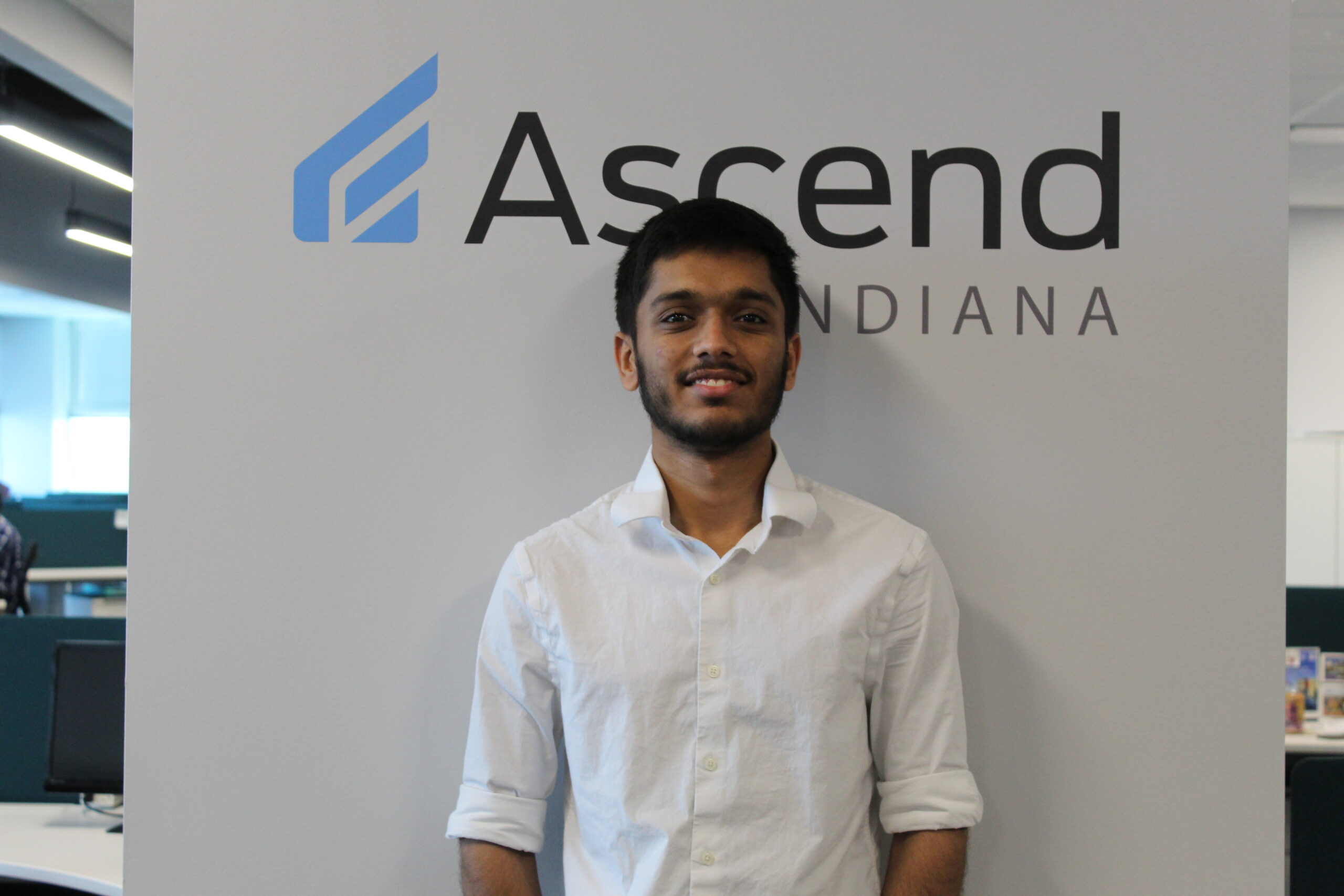
Ahmet Arslan, Ascend Indiana
Ahmet Arslan (Ascend Indiana), said “There was a strong sense of shared ownership, and the focus was entirely on finding solutions together. It was during this time that I truly saw Ascend’s supportive and inclusive culture in action.”
Engage with Networking Opportunities:
Kendall Troy, TechPoint
Internships also provide students with valuable networking opportunities. Events offered throughout internship programs become an opportunity to help create connections and learn more about the industry.
“A highlight of my internship has been going to all of the events TechPoint has put on and being able to take events photos for them.” said Kendall Troy (TechPoint). “TechPoint has many community events that involve networking within the Indianapolis tech community. Through these events, I’ve been given the opportunity to meet many founders, CEO’s, and employees in the Indiana tech sector and I feel as if I’ve been able to grow my community and tech network in the Indianapolis area.”
Jackson Stone, Ascend Indiana
Jackson Stone (Ascend Indiana) said “Being in product and project management requires a lot of communication between multiple verticals, which excited me because I get to meet a lot of different people and work with them to improve our ideas.”
Growing your Skillset:
Anastasia Cook, Ascend Indiana
A notable aspect of an internship with CICP and its initiatives is the ability for interns to take on their own projects and work. Interns are entrusted with tasks and projects that encourage ownership and deeper learning, skills that are essential for any industry
Anastatia Cook (Ascend Indiana) said “I’m so glad I had the opportunity to work on a wide range of projects, acting as a “Jack of all Trades”. I was involved in everything from research and competitor analysis to writing user stories and conducting QA testing.”
Dev Patel, Ascend Indiana
“A lesson I’ve learned during my internship is the power of taking ownership early and approaching challenges with a problem-solving mindset.” Said Dev Patel (Ascend Indiana). “Success in fast-paced, technical environments doesn’t come from having all the answers, it comes from being curious, collaborative, and willing to own and solve hard problems.”
These stories and CICP’s continued commitment to providing internship experiences and programs is a testament to their investment in not only the individual, but the next generation of Indiana’s workforce. Through real-world experiences and professional and personal growth these students are taking steps towards meaningful, motivated careers.
If you want more information on Indiana’s advanced industries, as well as how you can get involved with Indiana’s next generation of leaders, be sure to click the link below.
Whether you’re early in your high school journey or are heading towards whatever is next, now is a critical time of exploration and change.
When you think about your future career, do you want to do something that matters? Would you like to help people? Protect the planet? Solve problems that actually impact the world around you?
If this sounds like you, those careers are out there. And, the good news is, they’re right here in Indiana. Whether you’re into science, technology, hands-on work, or creative problem solving, there is a path out there to for you.
Here are 8 careers where you can do meaningful work, right here in Indiana.
8 Careers that Make a Difference
1. Precision Agriculture Technician
Precision Agriculture Technicians use advanced tools like drones, GPS, and data software to help farmers grow more food using fewer resources. As the world’s population continues to grow, it’s becoming increasingly important to meet the increased demand for food. Agricultural technicians use technology to be more precise and efficient when it comes to creating better food (and more of it). On the job, they might install or operate high-tech farm equipment or even fly drones to collect insights on fields. At the end of the day, they help farmers make data-driven decisions that increase supply and reduce waste. This ensures that our communities have the food they need both now and in the future.
Bioinformatics specialists use computer science and biology to analyze data, especially genetic data, to understand diseases and develop treatments. By having a better understanding, scientists and doctors can develop new treatments and personalize medicine for patients, contributing to a healthier world. Bioinformatics specialists often find themselves developing and managing databases of genetic information and collaborating with biologists, geneticists, and researchers to turn insights into action. Whether engaged in cancer research, tracking infectious disease, or personalizing medicine, this career path makes an impact on peoples’ lives and well-being.
Cybersecurity specialists are responsible for planning, implementing, and monitoring hardware and/or software security measures that protect computer systems, networks, and sensitive data from cyberattacks. Think of this role as a digital bodyguard, protecting all kinds of businesses, like schools, hospitals, even government agencies, from hackers, viruses, and online threats. Day to day, cybersecurity specialists might find themselves setting up firewalls and security protocols or investigating breaches or attempted hacks. Additionally, they are responsible for educating employees on safe online practices. With almost everything we do today, from baking to healthcare to school records, relying on digital systems, cybersecurity specialists play an important role in protecting our data and information.
Mechatronics technicians work at the intersection of mechanical systems, electronics, and computer technology to keep advanced manufacturing machines running efficiently. These high-tech systems are used to produce everything from electric vehicles to medical devices. On the job, mechatronics technicians may install or repair robotic arms, troubleshoot mechanical or software issues, or program automated systems that help make factories safer, faster, and more efficient. By keeping the technology behind production lines running smoothly, mechatronics technicians play a crucial role in delivering the tools, products, and innovations our world relies on.
5. User Experience (UX) Designer
UX (User Experience) designers make technology more human by designing apps, websites, and digital tools that are easy to use and enjoyable to navigate. Their work is especially important in areas like healthcare and education, where accessible and intuitive design can make a big difference in people’s lives. UX designers often work with users to understand their needs, sketch layouts and wireframes for a new app, and collaborate with software developers to bring the ideas to life. This role combines creativity with problem-solving (and technical skills), so if you enjoy blending design with real-world impact, UX design could be a rewarding career path for you!
Public health program managers lead initiatives that improve the health and well-being of people at the community level. For example, they might organize vaccine clinics or mental health awareness campaigns, turning big ideas into real-world programs that help people live healthier lives. This role may find themselves managing budgets, coordinating with healthcare providers, overseeing outreach efforts, and even analyzing data. This role is a great way to blend an interest in science with project management, communication, and problem-solving skills, making it a great option for people who are interested in health and well-being at a community level, without an interest in becoming a doctor.
7. Supply Chain Analyst
Supply chain analysts help make sure essential goods (like food, medicine, and emergency supplies) get where they need to go, when they’re needed most. They work behind the sciences to analyze data, forecast demand, and solve logistical challenges so products move efficiently from manufacturers to customers. On the job, a supply chain analyst might study trends to prevent shortages, improve delivery rounds, or help a company efficiently respond to disruptions like natural disasters or weather events. This work also has a direct impact on everything from stocking grocery store shelves to ensuring hospitals have the equipment they need. If you’re interested in solving problems and are interested in making a difference in how the world works, a career in supply chain may be an option to explore.
8. Plant Geneticist
Plant geneticists work at the intersection of science and sustainability, developing crops that are more nutritious, resistant to disease, and able to thrive in changing climates. Their work plays a key role in solving global challenges like food insecurity, hunger, and agricultural sustainability, which is especially important as the world’s population grows. On the job, they might analyze plant DNA in a lab, breed new crop varieties in a greenhouse, or work with farmers in the field to test how new plants perform in real-world conditions. Thanks to their research and innovation, we now have drought-resistant grains, vitamin-enriched produce, and crops that require fewer pesticides. If you’re interested in biology and want to use science to make a real difference in the world, plant genetics could be your path.
Impactful careers are all around you. Whether you’re drawn to science, technology, design, or hands-on work, there’s a meaningful path waiting for you right here in Indiana. These roles extend beyond just a paycheck. They offer purpose.
As you think about your future, explore what matters to you, and where your interests lie. Are you passionate about protecting the planet? Helping people stay healthy? Building smarter solutions that are easier to use? The jobs highlighted here are just the beginning, and there are so many careers available that can help you make a difference.
So, ask yourself: what kind of impact do you want to make? Then, start exploring. Because Indiana’s advanced industries need problem-solvers like you.
When you hear the term “advanced industries,” you might picture high-tech labs or sleek production lines filled with robotics. And, you wouldn’t be wrong! But, the advanced industries are more than just futuristic concepts. The advanced industries span fields like agbioscience, life sciences, advanced manufacturing and logistics, and technology.
These industries are economic engines behind some of the most exciting, innovative, and essential work happening right here in Indiana – today.
From growing food in smarter, more sustainable ways to delivering life-saving medical breakthroughs, to building the tools and technology that shape our future, Indiana’s advanced industries touch many parts of our daily lives.
Let’s dive into what these advanced industries are, why they’re important, and why you should consider a career in one of these growing fields. Spoiler: these industries are not just about cool tech; it’s about building a better future (and a career that goes with it)!
What are the advanced industries?
The advanced industries refer to sectors that rely in STEM (science, technology, engineering, and mathematics) as well as invest heavily in research and development.
Agbioscience
Agbioscience is the intersection of agriculture, science, and technology. Careers in agbioscience are using innovation to solve some of our world’s biggest challenges, like how we can grow more food for a growing population, protect the environment, and create new, sustainable projects. Agbioscience combines everything from biology and chemistry to engineering and computer science, making It an exciting field for people like you. People working in agbioscience are doing exciting things like creating crops that can survive droughts, using data to help farmers make better decisions, and even designing new types of food. These careers are shaping the future of agriculture—not just in our state, but all over the world.
Life Sciences
Life sciences is a fast-moving field that explores how living things work—from tiny cells to the entire human body. The goal? To use that knowledge to improve health, fight diseases, and make life better for people everywhere. This industry brings together biology, medicine, technology, and innovation to solve real-world problems. Whether it’s discovering new medicines, designing medical tools and devices, or studying DNA to help prevent illnesses, life sciences careers are making a big impact. People in this field are at the forefront of healthcare breakthroughs, using science to shape a healthier future for all of us.
Advanced Manufacturing & Logistics
Advanced manufacturing and logistics (AML) is where high-tech tools, smart systems, and innovation come together to make and move products efficiently and sustainably. It’s a fast-evolving industry that relies on advanced machinery, robotics, automation, and real-time data to keep production and delivery running smoothly. From operating computer-controlled machines to managing supply chains with AI and tracking systems, AML offers exciting careers for people who enjoy learning new technologies and solving problems. As the industry continues to modernize, workers in this field often have to learn how to use new software, tools, and equipment that keep them on the cutting edge. If you’re hands-on, tech-savvy, or curious about how things are made and delivered, AML is a growing field with lots of opportunity.
Technology
Technology is all around us—shaping how we live, work, and connect with the world. But it’s more than just apps and devices. It’s the engine driving progress across nearly every industry, from healthcare and agriculture to finance, education, and beyond. In this field, innovation never stops. Whether you’re building software, analyzing data, developing AI, or protecting systems with cybersecurity, tech careers offer endless possibilities for problem-solvers and creative thinkers. You might design tools that help doctors save lives, create smart systems that power businesses, or even develop the next must-have game or platform. As technology continues to evolve, so do the jobs. It’s a field that rewards curiosity, adaptability, and a desire to keep learning. That makes it an exciting path for anyone who wants to help shape the future.
Why are the advanced industries important?
Indiana’s advanced industries don’t just offer exciting careers, they’re critical to the state’s economy and our future. These fields are where big ideas turn into real-world impact. Whether it’s feeding communities, curing diseases, building cleaner factories, or inventing the next life-changing technology, the work happening in these industries matters—and so do the people doing it. If you want a job where you can make a difference, solve problems, and be part of something bigger, the advanced industries are full of opportunity. They offer careers that are in high demand, with good pay and benefits, and room to grow. But even more than that, they offer the chance to wake up each day knowing your work is important. These industries need all kinds of thinkers and doers—from creative minds to hands-on builders to curious problem-solvers. No matter your path, there’s a place for you in shaping what comes next.
What’s Next?
Now that you know what the advanced industries are and why they matter, the next step is simple: start exploring. Think about what interests you. Do you like working with your hands? Solving puzzles? Helping people? Creating new things? No matter what your strengths or passions are, there’s likely a role for you in one of these industries. You don’t have to have it all figured out right now—but keeping your eyes open to the possibilities is a great place to begin. See Yourself IN is a great resource to help you explore the careers, training paths, and opportunities available in Indiana. Whether you’re planning for college, considering a training program, or just curious about your future, learning more about careers in agbioscience, life sciences, advanced manufacturing, logistics, and tech could open up paths you didn’t even know existed. These are industries that are growing, hiring, and making a difference. And they’re looking for people like you..
Whether you’re early in your high school journey or are heading towards whatever is next, now is a critical time of exploration and change.
You’ve probably been asked for years “what do you want to do when you grow up?” And while you don’t need to have that answer – or a specific job – in mind, it’s important that you begin to decipher potential career paths and begin taking the steps to work towards finding that answer.
So, what are some things you can be doing in high school or college to help you figure out that next path? Here’s how you can think about the future without being so worried about deciding what you want to do for the rest of your life. Here are 3 low-pressure steps you can take in high school to start laying the foundation for future career decisions.
Step 1: Self-Reflection
One step you can take in high school to start laying the foundation for future career decisions is to reflect on your interests and strengths. This can be as simple as asking yourself a few questions and jotting them down in a notebook or having a conversation with your parents, teachers, or other people in your network.
What are your interests and hobbies?
What excites you? How do you like to spend your time? Which school subjects do you enjoy the most? What do you like to learn about?
Questions like these can help you discern potential career paths, without tying you down to a specific job title or industry. High school should be a time for opening the door to more options, not narrowing down your options.
Your interests, whether they come from your favorite classes, hobbies, or other activities, can offer important clues about career paths you may enjoy. Here are a few examples of how you can start connecting the dots:
If you enjoy mathor problem-solving, you may be interested in pursuing a career within engineering, statistics, data analysis, scientific research, or logistics management.
If science is your favorite subject, think about what aspects excite you most. Love doing experiments? You might be drawn to laboratory work, pharmaceutical research, or biotechnology. Fascinated by discovery? You could explore careers in environmental science, agbioscience, or even forensic science.
If you love playing video games or working with computers, there are many ways to turn that passion into a career in technology, like coding, cybersecurity, software development or designing systems that power advanced manufacturing.
If you’re always organized and love planning, whether it’s keeping a detailed planner or coordinating group projects, you might thrive in a career in project management, event planning, supply chain management, or logistics operations.
If you enjoy reading, writing, or storytelling, strong communication skills are needed everywhere, including Indiana’s advanced industries.
If you’re an athlete or passionate about sports or fitness, consider how you could work in life science fields like kinesiology, sports medicine, biomedical device development, or health tech innovation.
If you love art, design, or creativity, industries like technology and advanced manufacturing need designers for product development, UX (user experience) design, or branding and marketing.
Emily Kitterman, Director of Careers in Tech at TechPoint, recently joined the See Yourself IN podcast, where she shared her advice for navigating the career exploration process. She encourages students to keep their eyes open to any opportunity that comes their way, and to always go back to the areas that excite you. “If you do something that excites you, that’s going to inspire continuous learning. That will drive you into those interest areas and you can build upon that in so many different ways.”
What are your skills and strengths?
In addition to exploring your interests, you should also reflect on your strengths and natural gifts. As guest Olivia West shared on the See Yourself IN podcast – a successful career journey begins with finding your gift. Think about what you truly love, and what other people affirm you for, and use that gift to serve others.
For example:
If people often comment on your organizational skills, you may excel in careers like project management, operations, or supply chain management.
If you’re a natural problem solver, you might find fulfillment in advanced manufacturing, engineering, or tech innovation roles.
If you have strong communication skills, whether in writing or speaking, you could thrive in marketing, technical writing, or public relations roles that help bring complex ideas to life.
If others comment on your analytical mind or ability to dig into the details, fields like data science or biotechnology research could be a good match.
Coupling your interests and your gifts can help you open your eyes to career possibilities or opportunities you may not have previously considered.
Step 2: Career Exploration
Another step you can take as a high school student beginning your career journey is to explore different roles. Career exploration doesn’t mean picking a job and locking it in forever. Instead, it means getting curious and learning about what’s out there.
What kinds of jobs exist? What do people actually do every day? How do your skills and interests align with different paths?
Here are some easy, low-stress ways to start exploring:
Read or watch videos about careers that interest you to gain some insights on some of the roles and responsibilities associated with the jobs.
Job shadow someone in your community, even if just for an hour or two, to get a real sense of what the work is like.
Talk to adults you know about their jobs. Ask them what they like, and what challenges they experience.
Follow companies or organizations you’re curious about on social media to see how their teams work or what kinds of work they do.
See Yourself IN makes career exploration even easier for Hoosier students like you. Through the See Yourself IN program, you’re able to explore podcasts, videos, articles, and other media that spotlight the various career opportunities available, specifically in Indiana’s advanced industries.
Step 3: Take Some Small Steps Forward
A career may seem far off, but there are ways to begin taking small, intentional steps forward. You don’t have to map out your entire future but now is a great time to start testing out what you’ve learned about yourself and from the adults in your life.
Here are a few ideas that can help you move from reflection to action:
Sign up for a class or club that aligns with a potential interest – like a STEM elective, robotics, FFA, health sciences, or even speech/ debate.
Try a short-term project, like building something or volunteering with an organization or opportunity in a field you’re curious about.
Set one short-term goal, like talking to a professional you’re interested in exploring or researching a new career each week.
Keep a journal where you track what you’re learning about yourself, for example what excites you (or what doesn’t!), or what strengths keep showing up.
What’s one small thing you can try this month to learn more or build a skill?
Ready to kickstart your career?
You don’t need to know exactly what you want to do with your life right now. Honestly, most people don’t at your age. But what you can do is start exploring. By taking time to reflect on your interests and strengths, learning about different careers, and trying out a few things along the way, you’re setting yourself up for success later.
The steps you take now don’t have to be big or final. They just need to help you learn a little more about what excites you and where your talents might take you. Whether it’s listening to a podcast, shadowing someone at work, or joining a new club, each experience helps you move forward.
See Yourself IN is here to help — with resources, real stories, and events that make career exploration a little easier (and more fun). Keep being curious, keep asking questions, and remember: it’s okay not to have all the answers yet. You’re just getting started.
Just because you’re in a math- or science-based field doesn’t mean you can’t still exercise your creativity. See how Mary Jutzi created a children’s book to explain the manufacturing field in simple terms—and draw future workers into the field.Read the full article and explore what a creative job in STEM can look like.